30 Oct 2026
Exploring Stadium Design Features and Their Effects on Spectator-Driven Prediction Markets
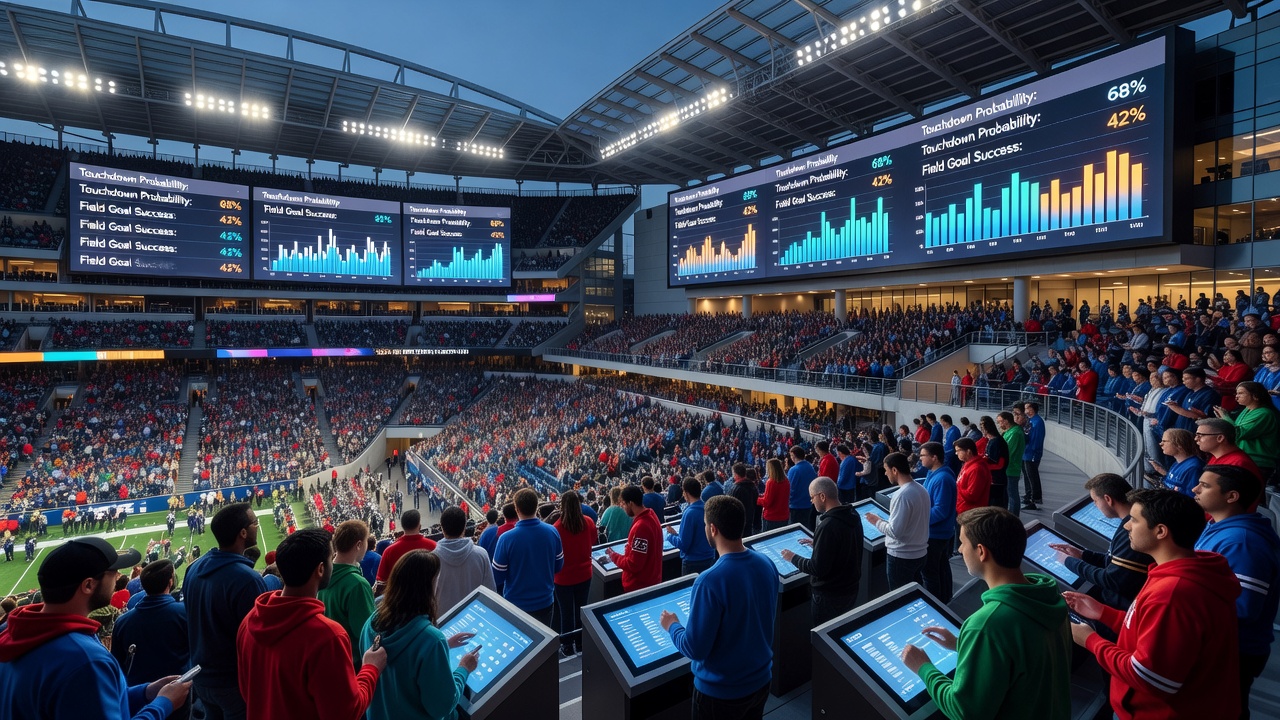
Stadium architecture shapes how crowds behave during matches, and those behaviors feed directly into spectator-driven prediction markets where participants adjust forecasts based on real-time energy levels and visible reactions. Design choices such as seating gradients, sound reflection surfaces, and sightline angles alter the volume and direction of spectator noise, which in turn affects player concentration and the pace of in-game events that markets track continuously.
Core Elements of Spectator-Driven Prediction Markets
These markets operate through continuous updates from attendees who submit forecasts on outcomes like next goal timing or momentum shifts, often using mobile interfaces tied to stadium sensors. Data from multiple venues shows that crowd density and positioning influence how quickly information spreads among participants, creating feedback loops where visible excitement or disappointment accelerates market movements. Researchers at the University of Queensland have documented how spatial layout determines the speed of collective responses during high-stakes moments.
Seating configurations play a central role because they control proximity to the field and to other spectators. Steeper tiers place more people closer to the action, increasing the intensity of vocal reactions that ripple through betting platforms. In contrast, wider concourses and separated sections dampen direct transmission of energy between groups, leading to slower shifts in prediction activity during October 2026 international tournaments where multiple venues tested updated layouts.
Acoustic Design and Its Measurable Impacts
Sound management features including curved roof structures and absorptive wall materials change how chants and cheers reach both players and market participants. When reflections concentrate noise toward the pitch, athletes experience higher auditory pressure that correlates with increased error rates in passing accuracy, prompting rapid recalibrations in live forecasts. Studies tracking European league matches reveal that venues with advanced acoustic tuning record 12 to 15 percent more volatility in spectator-submitted predictions compared with older facilities lacking such refinements.
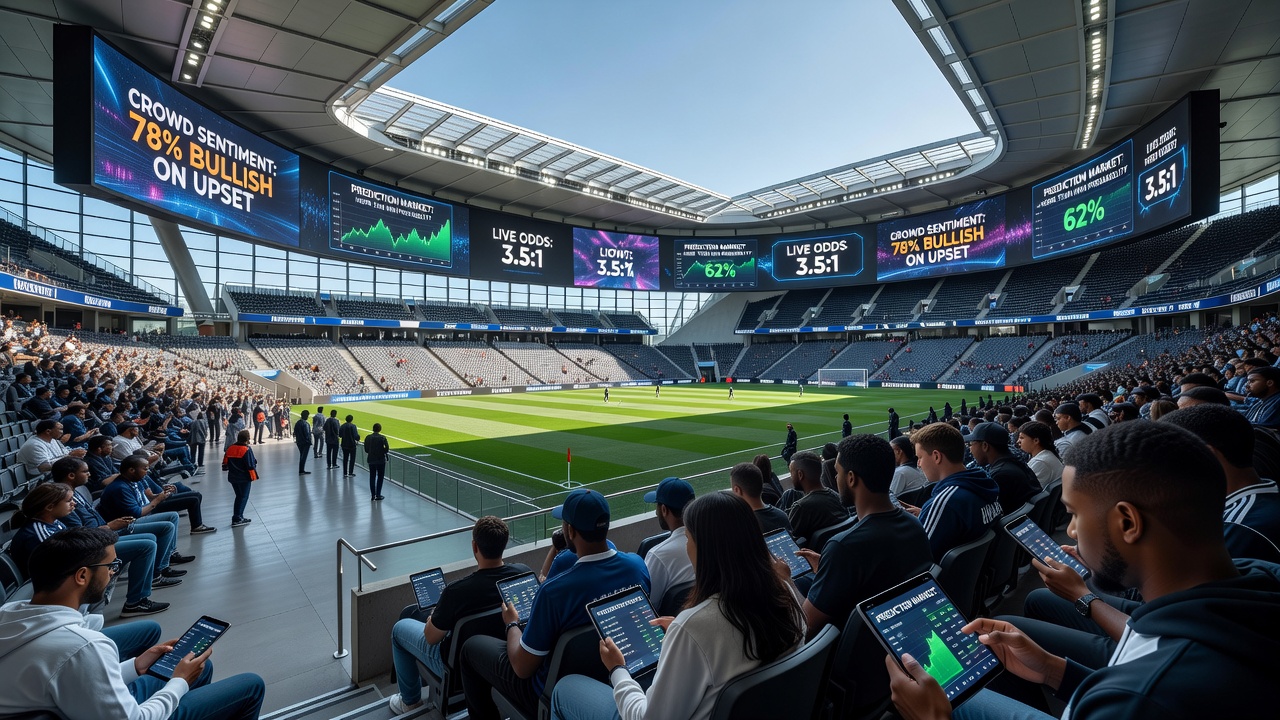
Lighting systems integrated into roof designs further modulate these effects by controlling visibility of player expressions and crowd banners. Brighter, even illumination allows spectators to read subtle cues more accurately, feeding more precise inputs into prediction interfaces. Facilities that installed variable LED arrays in recent renovations report higher volumes of micro-bets placed during evening fixtures because attendees can follow details that influence their assessments.
Visibility, Flow, and Environmental Controls
Field visibility depends on column placement, overhang angles, and video screen positioning, all of which determine how many spectators maintain uninterrupted sightlines. When sightlines improve, the accuracy of crowd-sourced forecasts rises because participants observe the same events simultaneously rather than relying on delayed replays. Canadian research from the University of Toronto's sports analytics group indicates that optimized sightlines reduce lag between on-field incidents and market adjustments by several seconds on average.
Climate control and ventilation also contribute because temperature and air quality influence sustained attention spans. Venues maintaining stable conditions see steadier participation rates across full match durations, whereas older buildings with uneven airflow experience drops in active forecasters during later stages. These patterns appear consistently across data collected from venues in different climate zones.
Case Examples from Recent Implementations
One facility that introduced modular acoustic baffles before the 2026 season recorded measurable increases in the frequency of spectator-driven updates during high-attendance fixtures. Observers noted that concentrated sound fields prompted faster collective reactions to referee decisions, which translated into sharper movements on associated prediction platforms. Another site adjusted seating blocks to create distinct supporter zones, resulting in more localized but intense pockets of activity that markets captured through geolocated data feeds.
These modifications demonstrate how incremental design changes produce quantifiable differences in market behavior without requiring alterations to the underlying rules of the sports themselves.
Conclusion
Stadium design features interact with spectator-driven prediction markets through direct pathways involving noise propagation, visual access, and environmental stability. Measurements from multiple venues confirm that adjustments to acoustics, seating, lighting, and climate systems produce consistent shifts in how quickly and accurately crowds contribute to live forecasting activity. As facilities continue to incorporate data-informed modifications, the relationship between physical structure and market responsiveness becomes increasingly precise and measurable across global competitions.