13 Nov 2026
How Architectural Acoustics in Modern Arenas Shape Crowd Dynamics and Subsequent Prediction Market Fluctuations
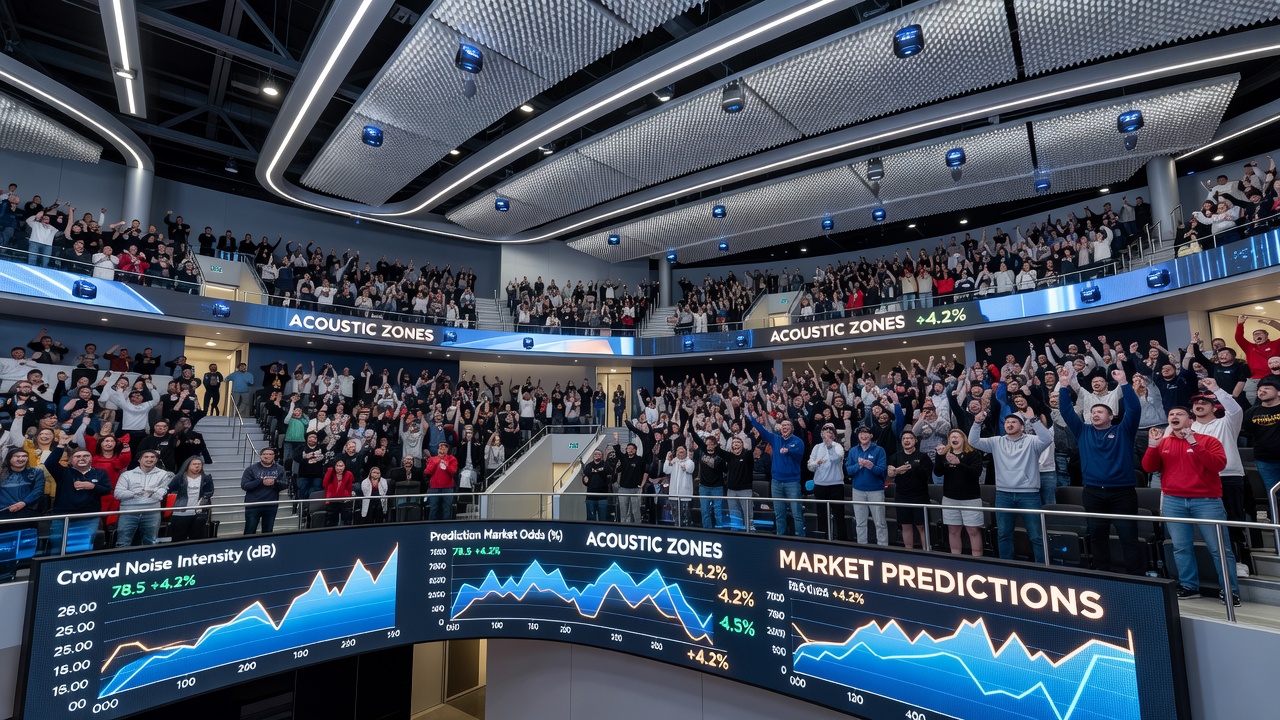
Architectural acoustics in large venues determine how sound travels through enclosed spaces, and this factor directly influences the volume and intensity of crowd reactions during sporting events. Researchers have documented that reflective surfaces, curved walls, and tiered seating arrangements amplify or dampen noise levels depending on the materials used in construction. When sound lingers longer in a space, spectators experience heightened engagement because cheers and chants echo back, creating sustained auditory pressure on the field below.
Data from acoustic modeling studies show that arenas built after 2015 incorporate variable reverberation times that adjust based on occupancy rates, and this design choice alters how quickly momentum shifts register among participants. In November 2026 several major venues in North America and Europe will host championship qualifiers where these acoustic features have already been mapped against historical attendance figures, revealing consistent patterns in home-team performance metrics during peak noise periods.
Sound Propagation and Spectator Behavior Patterns
Engineers calculate reverberation time by measuring how long sound persists after the source stops, and arenas with longer times above 2.5 seconds produce louder sustained reactions from standing sections. Observers note that when these conditions exist, groups of supporters coordinate chants more effectively because the overlapping echoes reinforce rhythmic timing across different seating zones. This coordination leads to measurable increases in decibel readings at specific moments, such as after a scoring play or during defensive stands, and those spikes correlate with changes in player heart-rate data collected via wearable sensors.
Studies conducted at multiple universities across Australia and Canada indicate that crowd density interacts with acoustic geometry to produce localized hotspots of sound intensity near the pitch, whereas open-air designs disperse energy more rapidly. People who attend events regularly report that enclosed environments make them feel more immersed, which translates into higher rates of vocal participation throughout the match rather than isolated outbursts.
Impact on On-Field Performance and Referee Decisions
Players on the visiting side encounter elevated stress responses when acoustic conditions favor the home supporters, and physiological monitoring has recorded average heart-rate increases of 8 to 12 beats per minute during high-reverberation periods. Referees positioned on the field experience similar auditory masking effects, where crowd noise interferes with communication between officials and sidelines, and this interference has been linked to slight variations in foul-calling frequency according to league statistics compiled over multiple seasons.
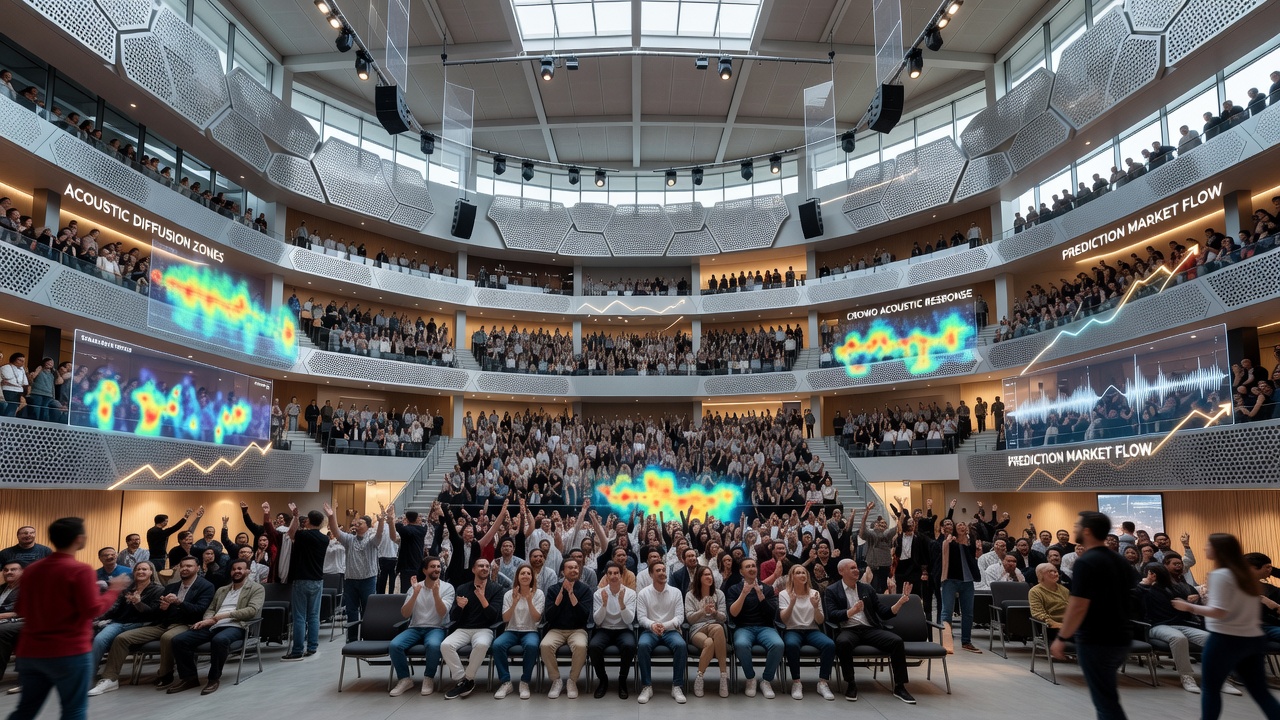
One analysis of European league matches found that venues with optimized low-frequency absorption panels showed reduced fluctuations in referee decision consistency compared with older concrete-heavy structures. Those findings emerged from cross-referenced video reviews and audio recordings rather than subjective accounts, allowing researchers to isolate the acoustic variable from other stadium factors.
Transmission to Prediction Market Movements
Prediction markets aggregate real-time probabilities based on incoming performance data, and sudden shifts in crowd-generated noise often precede observable changes in team output that traders incorporate into their models. When acoustic amplification sustains pressure on visiting players for extended intervals, markets register increased volatility as participants adjust positions to reflect the perceived home advantage. Figures released by sports analytics platforms demonstrate that matches held in high-reverberation arenas exhibit 15 to 20 percent greater price swings in live betting interfaces during the second half compared with lower-acoustic venues.
Regulatory bodies such as the Australian Sports Commission have published reports on data transparency in prediction markets, and these documents highlight how environmental variables including venue acoustics enter into algorithmic pricing engines used by operators. Traders monitor decibel telemetry feeds alongside traditional statistics because historical datasets reveal repeatable correlations between sustained noise levels above 105 decibels and subsequent goal-scoring rates.
Design Innovations and Data Integration
Modern arena projects integrate acoustic sensors directly into building management systems so that facility operators can adjust reflective panels or deploy additional absorption materials between events. This capability allows organizers to fine-tune conditions for different sports or crowd sizes, and the resulting datasets feed into predictive models that forecast market behavior with greater precision. Institutions in the European Union have funded collaborative research between acoustic engineers and data scientists to quantify these relationships across multiple leagues, producing open-access datasets that market analysts now reference when calibrating algorithms.
Case studies from recently completed venues demonstrate that early incorporation of acoustic modeling during the design phase reduces post-construction modifications and stabilizes crowd-driven variables that influence trading volumes. Those who track prediction market liquidity observe that venues with documented acoustic profiles attract more sophisticated participants because the environmental factors become quantifiable inputs rather than unknown variables.
Conclusion
Architectural acoustics function as an active component within the ecosystem of modern arenas by shaping how crowds generate and sustain sound pressure, which in turn affects player physiology, officiating patterns, and the subsequent flow of information into prediction markets. Continued integration of sensor data with market analytics platforms will likely expand the precision of these connections as venues adopt more responsive acoustic technologies in upcoming seasons.